Transform Your Landscape: Benefits of Hiring Expert Tree Cutting Services
Transforming a landscape can be a complex task. Engaging professional tree cutting services makes this process easier. These experts possess specialized expertise and abilities, guaranteeing safe and efficient tree removal. This not only enhances curb appeal but also protects property value. However, many homeowners overlook essential aspects of tree care. Grasping the benefits and potential challenges can contribute to wiser choices. What should homeowners consider before engaging these services?
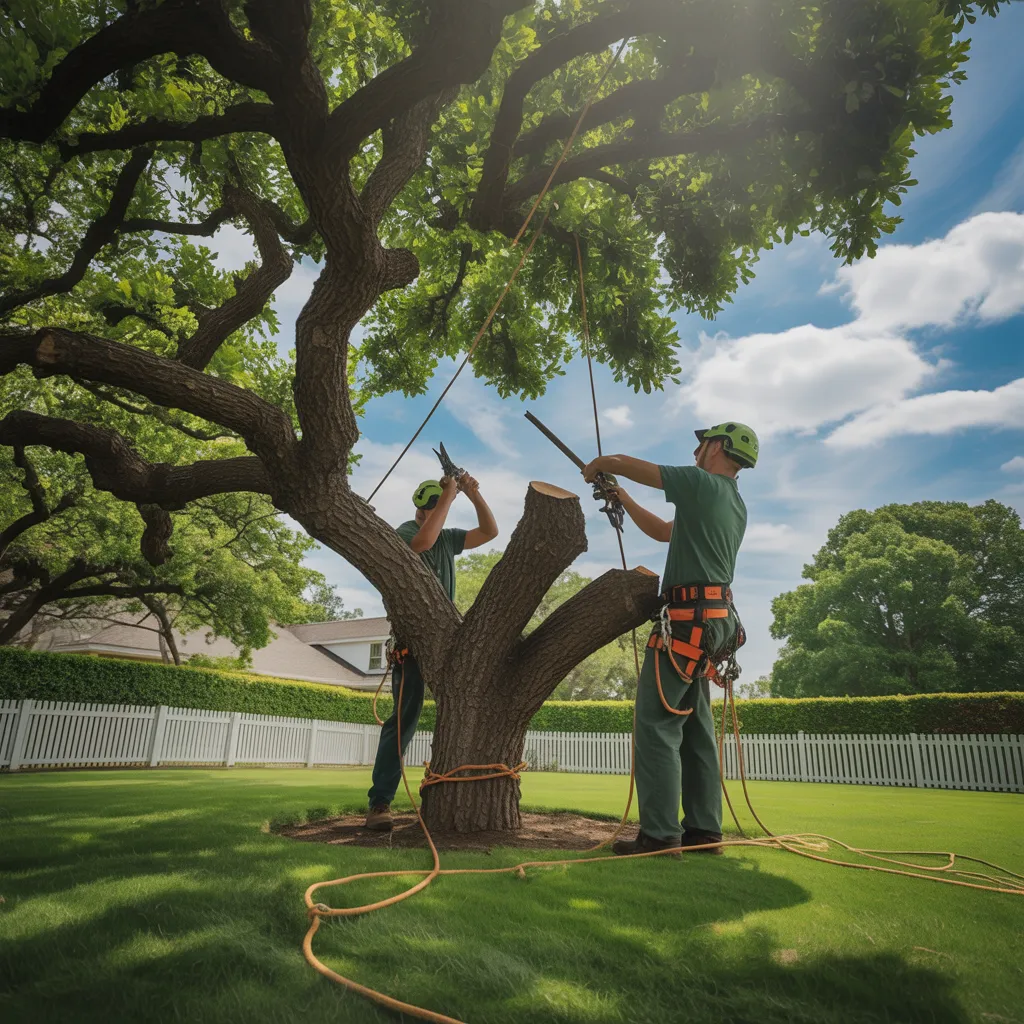
Main Reasons to Use Professional Tree Cutting Services
When thinking about tree upkeep, most homeowners acknowledge the substantial benefits of enlisting professional tree trimming services. These experts possess specialized knowledge about tree species, growing patterns, and ideal cutting techniques, guaranteeing that trees are trimmed or removed accurately. This knowledge reduces the risk of damage to nearby structures and landscapes, fostering a healthier environment.
Additionally, expert tree removal specialists are outfitted with the necessary equipment and protective gear, which are often expensive and require training to use effectively. This not only enhances efficiency but also reduces the likelihood of accidents or injuries during the process. Moreover, hiring professionals can save time and effort for homeowners, permitting them to direct their attention toward other critical matters.
Finally, tree removal services can provide valuable inspections of tree condition, guiding property owners on necessary maintenance and treatment. This proactive approach supports the overall beauty and durability of the property.
How Tree Cutting Services Strengthen Safety
Expert tree cutting services significantly improve safety for homeowners and their properties. Overgrown or damaged trees pose significant hazards, including the risk of falling limbs during storms or high winds. These professionals evaluate tree health and structural stability, recognizing potential hazards before they develop into perilous circumstances.
Skilled technicians utilize advanced tools to safely remove trees or branches, decreasing the likelihood of accidents that could harm people or damage property. Moreover, they adhere to strict safety guidelines that safeguard workers as well as nearby surroundings.
How Tree Health Affects Property Value
The health of trees greatly influences property value, primarily through their aesthetic appeal and check now structural integrity. Properly cared-for trees improve the visual appeal of a property, appealing to potential buyers and enhancing overall marketability. Conversely, unhealthy trees can pose safety risks and detract from the overall appeal, adversely affecting property values.
Tree Aesthetics and Attraction
Healthy trees greatly enhance the aesthetics and appeal of a property, affecting its market standing. Expertly managed trees establish a lush, inviting landscape, enticing interested buyers and enhancing property appearance. The presence of flourishing, well-kept foliage can cultivate an atmosphere of calm and relaxation, making properties highly appealing. Additionally, full-grown trees deliver coverage and screening, enhancing outdoor living spaces and encouraging social interactions. When trees are trimmed and sculpted by professionals, they exhibit a polished appearance that elevates the entire landscape. Conversely, neglected or unhealthy trees can detract from a property's visual appeal, potentially lowering its market value. Therefore, utilizing skilled tree care services confirms that trees continue to be a benefit rather than a burden.
Structural Stability and Security
Even though healthy trees can improve a property's attractiveness, their structural integrity is equally important for overall safety and worth. Damaged or deteriorating trees create substantial dangers, including potential property damage and injury. When branches become unstable or roots weaken, the chance of limb failure grows, putting nearby people and buildings at risk. Homeowners should recognize that unhealthy trees can detract from property value, as buyers are often wary of hidden liabilities. Periodic inspections by tree specialists can uncover concerns in their early stages, guaranteeing that trees remain a beneficial part of the property. By emphasizing proper tree care and security, landowners not only preserve their financial interests but also create an inviting atmosphere that appeals to future buyers and elevates overall property desirability.
What to Consider Before Hiring Tree Care Experts?
What steps can homeowners take to select the best tree care professionals? The first step is to carefully investigate any companies being considered. Reading online reviews and customer testimonials offers valuable information about the level of service provided. Additionally, confirming credentials including insurance coverage and proper licensing is absolutely necessary; reputable tree care experts should be fully insured to protect against accidents.
Property owners should additionally request thorough estimates that specify the range of services involved, confirming that no hidden charges exist. It's beneficial to ask about the methods and tools the company employs, as modern practices can enhance safety and efficiency. Additionally, a dependable tree care professional will provide a consultation to address individual needs and deliver customized suggestions.
Ultimately, homeowners ought to rely on their gut feelings during the selection process. Open communication and a professional demeanor can reflect a company's commitment to quality service. By following these guidelines, homeowners can arrive at knowledgeable conclusions when hiring tree care experts.
Common Tree Care Blunders Homeowners Make
Numerous homeowners unknowingly commit significant mistakes when caring for trees that may result in lasting harm. One common error is improper pruning, which may compromise a tree's structure and encourage disease. Furthermore, failing to mulch can cause soil erosion and moisture loss, damaging root systems. Excessive watering is another common error, as it can suffocate roots and invite fungal diseases. Property owners may also miss signs of pest infestations, allowing infestations to escalate and compromise tree health. Lastly, ignoring a tree's mature size during planting can lead to overcrowding, limiting growth and increasing competition for nutrients. Addressing these mistakes is essential for maintaining a vibrant landscape and ensuring the long-term health of trees. By recognizing these common errors, homeowners can improve their tree care routines and support a healthier environment.
Choosing the Right Tree Cutting Service for You
Choosing the most suitable tree removal service can significantly affect the health and aesthetics of a landscape. Property owners should prioritize companies with qualified tree specialists who have the necessary expertise in tree health and safe cutting practices. Researching online reviews and testimonials can reveal details regarding a service's overall performance and dependability. Additionally, obtaining several estimates helps homeowners to assess costs and service options, allowing they find a provider that suits their financial requirements without sacrificing quality.
It is also essential to ensure that the preferred service carries full insurance and proper licensing, protecting the homeowner from potential liabilities. Inquiring about the equipment and methods employed can also demonstrate a provider's dedication to professionalism and safety. Finally, a trusted tree removal company will provide a comprehensive evaluation of the trees, supplying advice on maintenance and ongoing care to protect the overall landscape quality. Ultimately, well-informed choices ensure homeowners choose a service tailored to their unique requirements.
Answers to Common Questions
What Are the Typical Prices for Professional Tree Cutting Services?
The typical cost of professional tree cutting services is between $200 and $2,000, with pricing influenced by tree size, location, and complexity of the job. Supplementary costs may be included for stump extraction and other professional add-on services.
When Is the Best Time of Year for Tree Cutting?
The best time for tree cutting is generally the late winter through early spring period, ahead of new growth starting. This approach helps minimize tree stress and reduces the risk of disease transmission.
Are Specific Permits Necessary for Tree Cutting?
Indeed, particular permits are frequently necessary for tree cutting, based on local regulations. Homeowners should consult city officials to ensure compliance and avoid potential fines or legal issues resulting from unpermitted tree cutting.
How Do I Determine if a Tree Should Be Cut Down
Tree cutting may be necessary if it exhibits indicators of infection, deteriorating branches, or excessive leaning. Furthermore, if it presents a hazard to nearby buildings or individuals, professional assessment is advisable for proper evaluation.
What Equipment Do Tree Cutting Professionals Use?
Tree service specialists commonly rely on pruning saws, chainsaws, axes, and wood chippers. Essential safety equipment includes helmets, gloves, and harnesses. Trucks and stump grinders are also utilized to ensure efficient debris removal and thorough site cleanup.